
How to Build a Strong Business Identity and the Common Mistakes Made
Your business identity is more than just a logo, it’s the visual and emotional representation of your brand. From your website and social media to your packaging and business cards, every design element communicates who you are and what you stand for.

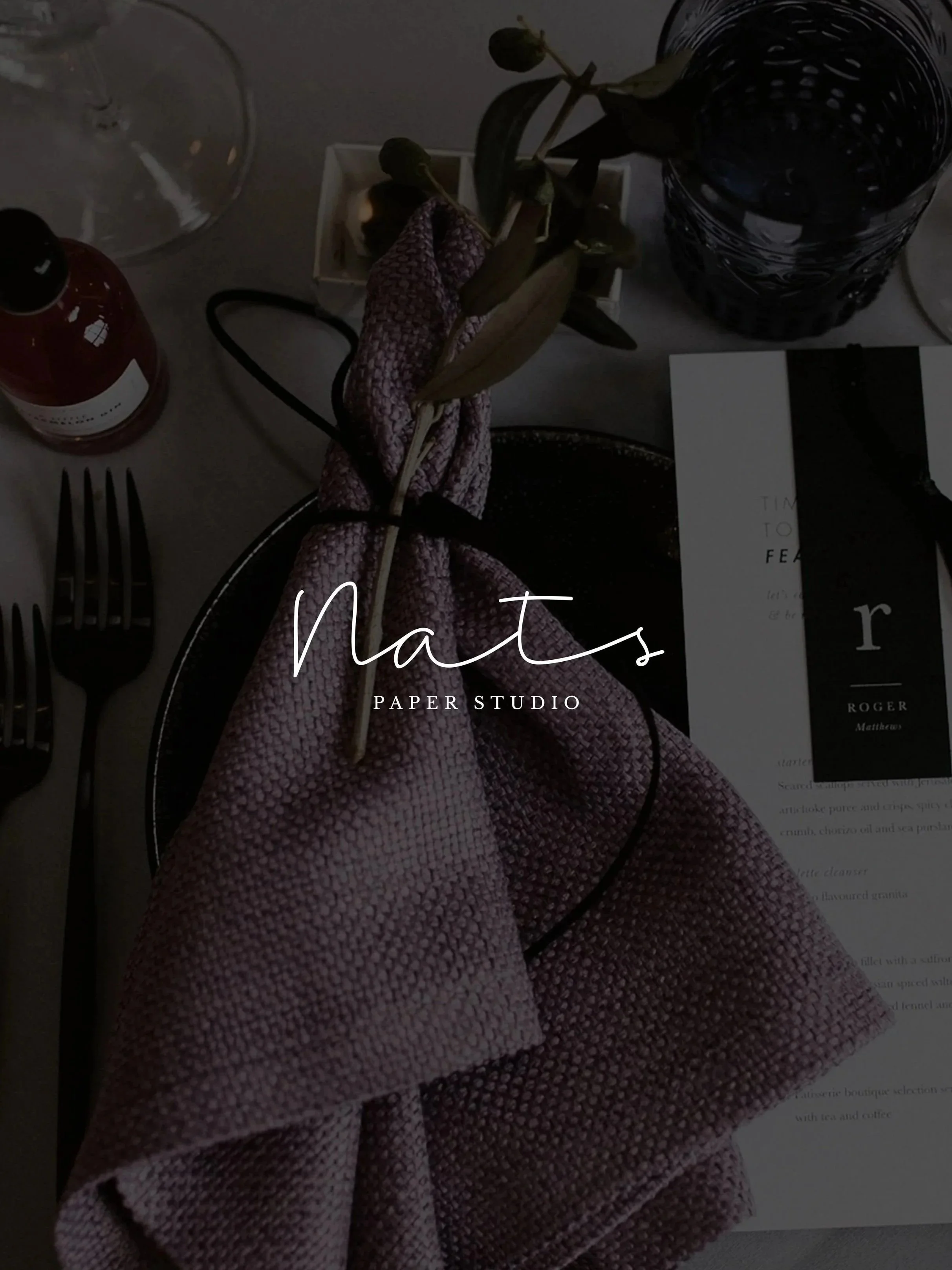

Building a strong business identity can boost recognition, establish trust, and make your business memorable. However, many small businesses make mistakes that weaken their brand, even when they invest in design.
In this guide, we’ll cover how to create a strong business identity and highlight the pitfalls to avoid, so your brand resonates with your audience and truly stands out.
1. Understanding Business Identity
A business identity is the collection of visual and design elements that represent your company, including:
Logo – your brand’s visual mark
Colour palette – the colours that reflect your brand personality
Typography – fonts that communicate your tone and style
Imagery & graphics – photos, illustrations, and icons
Tone of voice and messaging – how your brand communicates
Many people try to shoehorn their entire brand into the logo alone, but branding is much more than that. A strong business identity is organic: it reflects your values, your tone of voice, and your niche in the market. Your logo is just one piece of the puzzle, it should support the overall brand, not define it entirely.
Consistency across all elements ensures that customers immediately recognise your business and connect with your message.
2. Key Steps to Building a Strong Business Identity
Step 1: Define Your Brand’s Purpose and Niche
Identify your mission, values, and target audience.
Focus on a niche in the market where your brand can stand out.
Your identity should visually and verbally communicate your unique positioning.
Step 2: Design a Memorable Logo (Without Overdoing It)
Keep it simple, scalable, and unique.
Ensure it complements your broader brand identity rather than trying to carry the entire concept.
Step 3: Choose a Cohesive Colour Palette
Colours convey emotion and personality.
Stick to 3–5 primary colours for consistency across digital and print.
Step 4: Select Typography That Matches Your Brand
Fonts reflect your tone: professional, playful, elegant, or bold.
Pair 1–2 fonts to establish hierarchy and readability.
Step 5: Develop Consistent Visuals and Graphics
Imagery, icons, and illustrations should be uniform in style.
Apply visuals consistently across website, social media, and marketing materials.
Step 6: Establish a Tone of Voice
Your messaging should reflect your brand’s personality and values.
Be authentic, organic, and aligned with your niche.
Tone of voice can be as impactful as your visual identity in making your brand memorable.
Step 7: Apply Your Brand Across All Channels
Implement your identity on website, social media, emails, business cards, and marketing materials.
Create brand guidelines to maintain consistency across your team or partners.
3. Common Mistakes Businesses Make
Even businesses that invest in design often make mistakes that weaken their brand identity. Avoid these pitfalls:
Mistake 1: Overloading the Logo With the Whole Concept
Many businesses try to convey everything through the logo alone.
Remember: branding is more than the logo, it’s about your tone, visuals, and niche.
Mistake 2: Inconsistent Branding
Using different colours, fonts, or logos across platforms confuses customers and reduces credibility.
Mistake 3: Ignoring Your Audience and Niche
Designing for what the owner likes instead of what resonates with the target audience.
A focused niche and authentic messaging create stronger connections.
Mistake 4: Overcomplicating the Design
Crowded logos, too many fonts, or overly complex graphics.
Simple designs are more versatile and memorable.
Mistake 5: Neglecting Professional Design
DIY logos or graphics can appear unpolished.
While AI can be useful for ideas or mock-ups, it cannot replace the strategic thinking, creativity, and personal touch of a professional designer.
Professional designers ensure your identity is strategic, not just attractive.
Mistake 6: Failing to Update Your Brand
Outdated designs can make your business appear inactive or unprofessional.
Refresh visuals as your business grows and evolves.
4. Why Professional Graphic Design Matters
Investing in a professional designer ensures your brand:
Looks cohesive and polished across all channels
Ensures your identity is strategic, cohesive, and tailored to your brand and niche, rather than a one-size-fits-all output
Communicates your values and tone effectively
Reflects your niche and connects with the right audience
Avoids common branding mistakes
A strong visual identity isn’t just about aesthetics, it’s a strategic tool that drives recognition, trust, and customer loyalty.
Conclusion
Building a strong business identity goes beyond designing a logo. It’s about creating a cohesive visual and verbal presence that reflects your values, tone of voice, and niche in the market. By defining your brand, applying consistent colour, typography, and imagery, and avoiding common mistakes, your business can establish a professional, memorable, and effective identity.
If you’re ready to elevate your brand with a strategic and professional graphic design identity, Nats Design Studio can help. We specialise in creating complete business identities that are authentic, organic, and tailored to your niche.
–––
Book a design consultation today and let’s design a brand together that truly stands out.